

Rideshare driving, especially the one served by such companies as Uber and Lyft, has turned out to be a common method of earning some additional income or even life-long salary. Nevertheless, insurance is one crucial thing that in most cases bewilders drivers. In particular, a lot of new or potential drivers ask the following question: IS Uber or Lyft Drivers Non-owner cars insurance?
This query gets to the convoluted conversion between personal car insurance, particular coverage concerning rideshare, and legislation. In this paper, I am going to deconstruct the subtleties of the non-owner car insurance when operating in a rideshare driving situation, and why it could be a viable option, as well as how to consider this type of insurance carefully to ensure your driving stays legal and safeguarded.
What is Non owner car insurance?
Non-owner car insurance is a kind of liability insurance that is meant to cover one who does not own a car but still drives cars on roads owned by other individuals on occasional basis. This is the insurance one can make to offset the expenses of bodily injury and property damage liability without physical destruction of the vehicle being driven or covering the comprehensive or collision covers.
The salient characteristics of Non-Owner Car Insurance:
- Liability only cover: Covers the damages or injuries on other persons that you may cause.
- No vehicle coverage: You do not own the vehicle that you drive: It means that any damage done to the vehicle will not be covered.
- Common among low-frequency drivers: These are individuals who temporarily drive cars bought on loan or rented cars that they do not possess.
Why Do Non-owner Insurance make sense to Uber or Lyft Drivers?
The number of rideshare drivers who own their own car is also large. They may rent, lease or be borrowed cars to drive in Uber or Lyft. These drivers are not always interested in buying a conventional personal auto insurance policy as it may not always be easy and cheap.
The choice of non-owner insurance would appear to be a rational option, as the former provides the coverage of liabilities with no requirement to insure a particular car. Nevertheless, rideshare driving brings about complicated issues that non-owner policies are not meant to deal with.
Rideshare Drivers Insurance Environment

The rideshare insurance normally follows three steps:
- App off, driving personal: Your personal auto insurance applies to you.
- On summon, waiting to be requested: This period is referred to as period 1 or waiting period where the rideshare companies typically offer limited liability coverage.
- Ride accepted and passenger onboard: The widest coverage is generally by the commercial insurance of the ride-share company.
In every stage, the insurance requirements and level of coverage vary. Many insurers specifically exclude rideshare driving on personal auto insurance policies, and many insurance specifically expressly deny the coverage to the driver in case of commercial use of the car without due notice.
Which are the other options that Uber or Lyft drivers have in the absence of a vehicle?
In case you do not own a car, but you feel like working as a Uber or Lyft driver, the following are the most widespread insurance options:
1. Rideshare Southpac on an Individual Policy
In case you lease or borrow out a car, you can request the insurer to grant you a rideshare endorsement on a personal auto policy. This approval adjusts this policy to include phases of rideshare driving. Nevertheless, this is not the sole option because various insurers demand the vehicle to be insured by the individual who is supposed to be registered, thus restricting it.
2. Business Rideshare Insurance
There are even insurers that provide particular commercial rideshare insurance policy that covers those vehicles that are used in rideshare driving. This family offers policies that cover liability and physical damage any time during all the rideshares.
3. Rideshare Vehicle Rental
Uber and Lyft have also joined forces with rental businesses (such as Hertz and Avis) which will provide rideshare drivers with a vehicle that already includes insurance coverage. These rentals are usually accompanied with adequate commercial rideshare cover.
The dangers of Driving on Non-Owner Insurance
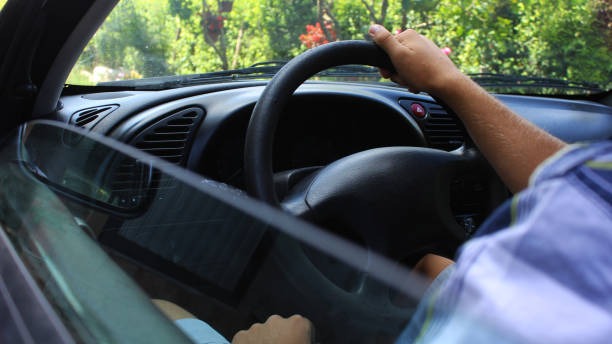
Trying to implement a non-owner car insurance policy and drive someone who is insured by Uber or Lyft is prone to serious repercussions:
- Denial of coverage following an accident: Insurers may deny you depending on the commercial use exclusion in the event that you cause an accident during your use of the car as a rideshare driver.
- Personal liability exposure: Unlike when adequately covered, then you may end up paying out of pocket.
- Possible breach of the conditions of the ridesharing companies: Uber and Lyft have the condition that drivers must be properly insured, and nonobservance may lead to disabling the company.
In what ways to secure the adequacy of insurance coverage of Rideshare Driving
To be able to drive and be safe when with Uber or Lyft, without having a car:
- Spreadsheet with your insurer: Republic discover whether or not a particular policy covers rideshare driving, or there is a rideshare endorsement at all.
- Take the example of commercial rideshare insurance: In the event there is no endorsement available, seek out rideshare insurance companies.
- Hire rideshare rental options: In case you are carless and hire a car through the official rideshare renting program of Uber and Lyft, then the car has the right insurance.
- Do not turn to non-owner insurance only: It is not suitable to complete the requirements and needs of commercial rideshare driving.
Professional Preview: Raiding the Rideshare Insurance on the Sharp Ends
Insurers insist that it is preferable to be clear about your coverage. The Insurance Information Institute recommends that rideshare drivers must have a mix of personal and commercial insurance or else they need rideshare-specific insurance products to prevent insurance lapses. Learn more here.
FAQs
Q1: Do I have the opportunity to work under Uber or Lyft every now and then using non-owner insurance?
A1: No, non-owner insurance policies do not cover commercial usage such as ridesharing, and hence this will not cover you when you are on your way to Uber or Lyft.
Q2: What will be the outcomes in case I take an accident on the way to the Uber or the Lyft with non-owner insurance?
A2: You would lose your claim when covered by commercial use because your insurer will claim that it is a commercial use and leave you financially and legally vulnerable.
Q3: Am I eligible to purchase rideshare insurance when I do not even have a car?
A3: Yes, commercial rideshare insurance policies are offered by some insurance companies and they cover drivers whose insurance covers are based on rideshare rental programs.
Q4: Does Uber and Lyft cover insurance?
A4: Uber and Lyft will cover commercial liability insurance at particular rideshare stages, but drivers retain and insure themselves, and obey local regulations.
Q5: Is it a good idea to rent a car using services provided by Uber or Lyft rentals?
A5: Yes, these programs offer sufficient rideshare insurance to the vehicles, which prevents you from purchasing an additional cover.
Conclusion
Although the idea of non-owner car insurance is an effective offer to drivers who may occasionally use their vehicles that are not owned by them, this practice practice is not appropriate to Uber and Lyft drivers because it includes exclusions of commercial use and has limited coverage. Rideshare driving requires specialized insurance services that take care of both the drivers and passengers throughout the rideshare activity.
Uber and Lyft drivers who lack their own vehicle are advised to consider rideshare endorsements, commercial rideshare insurance, or rideshare rentals in order to drive safely and legally. In this way, you will be able to guarantee that you are covered accordingly, financial risks are taken off, and you comply with the requirements of the rideshare platform.
You can Also read : Non Owner Car Insurance vs Regular Auto Insurance: Understanding the Key Differences
Pingback: Non Owner Car Insurance vs Regular Auto Insurance: Understanding the Key Differences